



Introduce your mobile app to the market
Mobile apps have become ubiquitous across various aspects of our lives and business domains. The allure of their market potential is unlikely to diminish until a groundbreaking technology supplants them. However, despite the saturation of mobile apps in virtually every niche, only a select few achieve substantial success, and even fewer attain phenomenal success across all domains. The failure of numerous apps can be attributed to various factors, extending beyond poorly conceived ideas and development/design flaws. Many apps falter due to deficiencies in their pre-launch and post-launch strategies.
I cannot give you the formula for success, but I can give you the
formula for failure. It is: Try to please everybody.
– Herbert Bayard Swope
Given that a significant portion of our daily routine revolves around mobile apps, and considering the abundance of choices available in each app niche, understanding the distinct needs, priorities, preferences, and expectations of users becomes paramount for app marketers. Consequently, thorough market research is essential for every app before embarking on a project. Even when the app is poised for launch, it is crucial to formulate a launch plan that aligns with the most suitable channels and tailors the marketing message to resonate with the target audience.

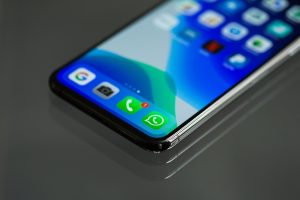
A significant oversight among many app marketers is the exclusive focus on post-launch marketing strategies, often neglecting the crucial pre-launch campaign. This oversight hinders the app’s ability to generate buzz and anticipation at the critical moment of its launch. Ideally, a substantial number of people should eagerly await the app’s release, necessitating sustained marketing efforts leading up to the launch event. To cultivate pre-launch excitement, a mobile app development company can employ various marketing options, including social media campaigns, search engine ads, video ads, and email campaigns. Beyond online avenues, traditional marketing options such as outdoor ads, print ads, media promotions, and events can also be leveraged to reach a broader audience.